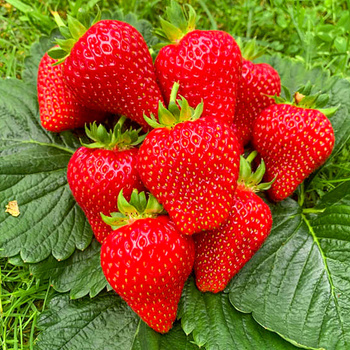
How and when to replace an aging strawberry crop? Step by step
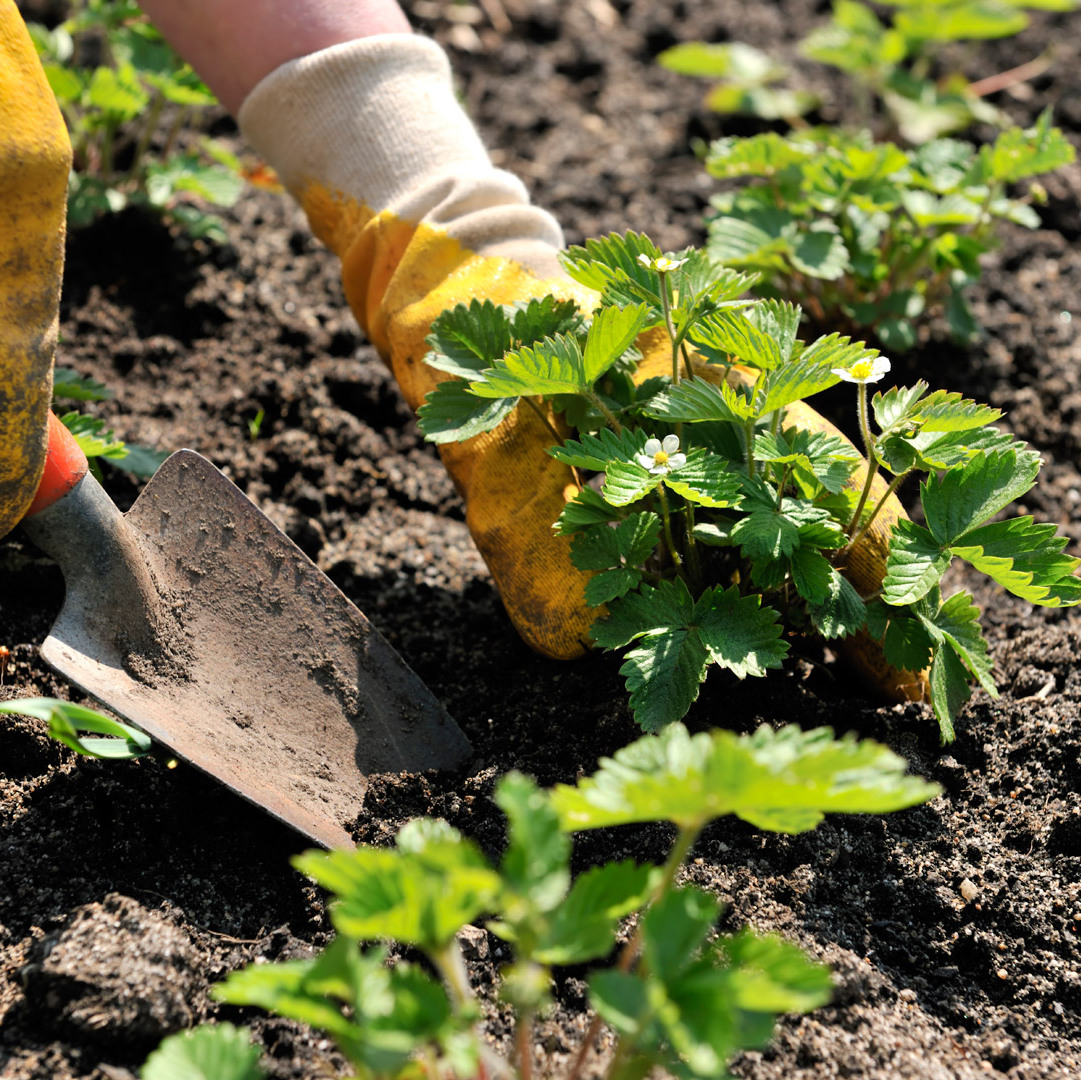
How and when to replace an aging strawberry crop? Step by step
When purchasing strawberry plants, we often hear that they are perennials – multi-year plants that do not require annual replacement. However, it is worth remembering that these are not plants “for life.” With each passing year, their yield gradually decreases, and the plants become increasingly weaker. The best yields usually occur in the 2nd and 3rd year after planting. Later on, the fruits are smaller, there are fewer of them, and the plants become more susceptible to diseases and unfavorable conditions. This is precisely why it is so important to replace aging plants every few years and plan a new plantation. Thanks to this, sweet and juicy fruits will delight us every year. In this article, we will explain when it is best to do this and how to renew your plantation step by step – because it is not as obvious as it might seem.
After how many years should strawberries be replaced?
The most frequently asked question by gardeners concerns how long strawberries can be grown in one place. The answer is not always the same, as it depends on the cultivation method, but we can provide a few practical guidelines. In amateur cultivation – on an allotment or in a home garden – strawberries are best replaced every 3–4 years. This is the period during which the plants use their full potential, while at the same time preventing a noticeable decline in yields and excessive accumulation of pathogens in the soil. In the 2nd and 3rd year, yields will be the highest, while in the 4th year they are usually clearly weaker – and this is a good signal that it is time to plan a new crop. If, however, you run intensive cultivation aimed at obtaining maximum yields and fruit of the highest possible quality, it is worth shortening the cultivation period to 2–3 years. This allows you to focus on the years of best productivity and ensures large, high-quality harvests.
Why is it not worth growing strawberries in one place for longer? In such a plantation, several unfavorable phenomena occur:
- pathogens typical for strawberries (fungi, bacteria, nematodes) accumulate in the soil,
- the risk of diseases and pests increases from year to year,
- the soil becomes “tired” of one crop – the same nutrients are depleted, causing the plants to respond with weaker growth and lower yields.
In practice, it is best not to delay changing the crop longer than the recommended period. Planning the replacement of the plantation slightly earlier helps maintain continuity of yields, keep plants in good condition, and avoid a situation in which “suddenly” the entire plantation stops bearing fruit abundantly.
Symptoms of an aging crop
If you happen to forget when exactly you planted your plants, the plants themselves will quite clearly inform you that the time for replacement is approaching. Careful observation of the plantation will help you find the right moment – strawberries do not stop bearing fruit “overnight,” but gradually: yields become weaker and the plants less vigorous. In an aging crop, several characteristic symptoms can be observed:
- Increasingly smaller fruits despite regular fertilization – the fruits are not only smaller, but their taste and juiciness also deteriorate. If you use fertilizers, take care of watering, and yet the yield is clearly worse than in previous years, this is a clear signal that the problem lies in the age of the plants rather than the growing conditions.
- Smaller quantity of fruit – you harvest significantly fewer strawberries from a single plant than before, and the total yield from the entire plantation is much more modest.
- Fewer fruits set – in spring the plants may be covered with flowers, but later it turns out that the number of set fruits is clearly disproportionate to the flowering.
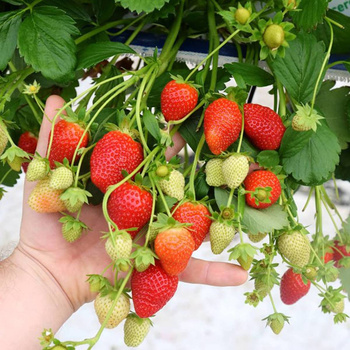
- Weaker plants – the plants stop forming dense, healthy clumps. Empty, dried-out spots appear in the center, and the entire plantation looks thinner and less lush.
- Appearance of diseases – more and more spots are visible on the leaves, symptoms of gray mold appear, leaf stalks dry out, or entire rosettes die. Older plants are more susceptible to diseases and unfavorable conditions because pathogens gradually accumulate in the soil over the years.
- More and more weeds – keeping the plantation clean becomes increasingly difficult. Weeds quickly occupy the free spaces between plants and begin to take over the bed.
If you notice several of these symptoms at the same time, it is a clear sign that the plantation is aging and it is worth starting to plan its replacement.
When is the best time to establish a new crop?
When establishing a new crop, every gardener already has experience from the previous one. Most often, they already know what to avoid and what is extremely helpful. However, let us recall two important aspects: the planting date and the selection of plants. Strawberries are best planted in spring (March–May) and in autumn (September–October). Each of these periods has its advantages, which positively affect rooting and the later development of plants. Spring planting is especially recommended for beginners, because the plants “start” together with the growing season and have plenty of time to root well both before high temperatures and before winter weather. For planting during this period, gardeners most often choose FRIGO strawberries, which show the highest establishment rate and bear fruit already 6–8 weeks after planting.
Regardless of whether planting takes place in spring or autumn, the quality of the plants themselves is of key importance. It is worth choosing plants from reliable, proven nurseries, with a guarantee that they are free from diseases and viruses. This helps avoid unnecessary stress related to plant health problems and ensures reliable, healthy yields for the years to come.
How to prepare the site for a new crop?
A well-prepared site is the key to successful cultivation, because even the highest-quality plants will not cope in tired, weed-infested, and pathogen-filled soil. Therefore, it is worth taking a moment to provide your plants with the best possible conditions.
When planning a new crop, it should be remembered that strawberries should not be planted continuously in the same place. Ideally, 3–4 years should pass between one strawberry crop and the next at a given site. Such a period allows the soil to regenerate and partially cleanse itself of accumulated pathogens. This does not mean that the soil should remain unused – during this time it is worth planting crops such as brassica vegetables, legumes, onions, garlic, or cereals. They will perform well at a site after strawberries and prepare it for a new crop. When planting new plants, however, places after raspberries, tomatoes, or potatoes should be avoided, as these also accumulate many diseases and pests in the soil that may threaten strawberries.
We realize that not every gardener can afford to change the site, which is why we offer several valuable tips. In such a situation, it is worth rejuvenating the plantation more frequently – preferably every 2–3 years. Replacing the top layer of soil is also recommended: removing part of the old soil, replacing it with new soil, and thoroughly removing weeds. At such a site, maintaining cultivation hygiene becomes crucial, by removing old leaves and ensuring good air circulation between plants. If space is limited, it is worth considering moving part of the plantation for some time to barrels or pots, where fresh substrate can be used.
Preparing the site itself for a new crop is no different from establishing the first plantation. Care should be taken to ensure adequate sunlight and good soil preparation. In a new crop, it is worth focusing on removing all weeds (both underground and aboveground parts), digging and loosening the soil, and adding organic matter in the form of compost or well-rotted manure. If you plan to grow in the same place, it is worth considering slightly wider spacing of the plants – this will make it easier to maintain proper hygiene and plant health.
Is it worth replacing plants gradually?
In cultivation aimed at obtaining large quantities and high-quality fruit, gradual, partial renewal of the plantation works very well. Most often, 1/3–1/4 of the plantation is replaced each year, thanks to which the crop consists simultaneously of new and older plants. The yield is then stable in every season, and each plant gradually goes through its cycle. Thanks to this, there is no moment when all plants produce a weaker yield at the same time. Such a cultivation system also allows the work to be spread more evenly over time. We will present a simple example:
if you have 3 rows of strawberries – establish one new row each year and remove the oldest one
In the first year, you have only young plants; in the second year – young and one-year-old plants; in the third year – one-year-old, two-year-old plants, and a new row. In subsequent years, successive replacement ensures that you always have plants at the best fruiting age in your crop.
Regular renewal of a strawberry plantation is not an invention, but a natural element of their cultivation. Although they are perennial plants, their yield weakens with each year, and the risk of diseases increases. A well-prepared site, healthy plants from a reliable nursery, and a well-thought-out planting time (spring or autumn) will ensure that strawberries establish quickly and reward you with abundant yields for years to come.
If you want to learn more about how to plant, care for, and fertilize strawberries, also check out the other articles on the blog – you will find practical tips there that will help you enjoy sweet, healthy fruit throughout the entire season.