Preparing strawberry plants for winter and caring for them for the new season
Strawberries — our beloved fruits that give their yield in summer. We enjoy their abundant harvests during the warm months, not always thinking about what will happen to our plants in the near future. We trust that next summer our plants will once again delight us with their delicious, juicy and aromatic fruit. And then we are surprised by the sight of our seedlings after winter. But did you know that you do not have to simply wait and hope? You can help your plants and be certain that in the next season you will again be able to enjoy your exquisite fruit. Even if your strawberry plants are frost-resistant, a little help will not harm them — on the contrary, it can be very beneficial.
Are you a beginner gardener? You have no knowledge or experience, but you want to take care of your plants? No problem! We will tell you how to care for strawberries so they can safely survive the harsh winter months, and how you should look after them when winter begins to give way to the warm days of spring.
What should be done with strawberry plants for the winter? What should autumn maintenance in a strawberry garden look like?
Your care to prepare the plants for winter should begin immediately after the seedlings finish fruiting. At this point, you should “clean” the plants by removing anything they do not need for the winter period. Remove all deformed leaves, rotten fruits and runners. This treatment will help protect the entire plants from potential diseases present on these parts. We recommend performing this step about two weeks after fruiting has ended (if the variety is an everbearing strawberry, wait longer to make sure the plant will not produce any more fruit that season). Between this treatment and the arrival of winter days, the strawberry plant will have time to produce new leaves and strong, healthy shoots. If your strawberry seedlings suffered significantly from any fungal diseases during the fruiting season, this is the right moment to apply a fungicide spray. Seedlings free from disease will be stronger in the next season and will provide abundant yields. In addition to caring for the seedlings themselves, take care of their surroundings as well by removing unwanted weeds, which steal water and nutrients from your plants.
If you have already carried out the maintenance treatment on your seedlings, they are tired and could use some help with regeneration. It is worth considering strengthening them properly. Simply put, your strawberries need fertilisation — the last one before the harsh winter. Depending on the timing of fertilisation, you can use different types of fertilisers. If your strawberries finished fruiting early and feeding takes place in summer, you can use a universal fertiliser rich in nitrogen, which is an essential nutrient for strawberries. Nitrogen stimulates leaf and shoot growth, strengthens the root system and increases yield. However, if you had a late variety and you are performing this treatment in autumn, you should use special autumn fertilisers. Of course, remember that fertilising the seedlings is not mandatory — strawberries will cope during winter days even without this treatment.
Do strawberry seedlings need protection from frost?
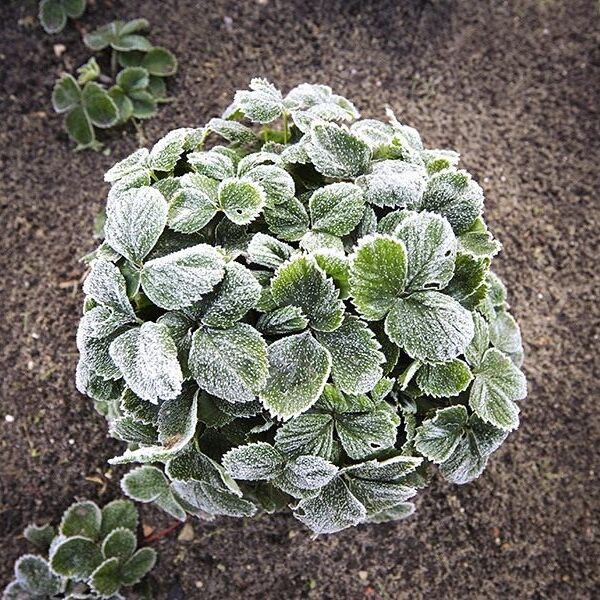
Even if you have frost-resistant strawberries, it is worth protecting them from the negative effects of frost. This helps shield them from winter weather conditions — not only frost, but also wind and large temperature fluctuations. Strawberry seedlings should be covered only after they enter dormancy. Your plants will inform you of this by changing the colour of their leaves from green to red (these will be typical autumn leaves). Most often, the plants are covered at the end of October or the beginning of November, after the first frosts. It is important to remember that only suitable materials should be used to cover strawberries for winter.
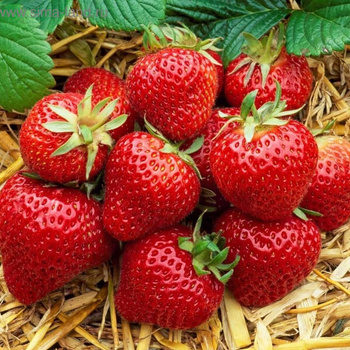
If you are looking for the cheapest way to protect your plants, you can use straw, which allows good water and air permeability. Although it is an economical choice, it is typically used only in small home gardens. Straw must be monitored and replenished if necessary, because winter winds often blow it away.
If, however, you want to care for your plants more effectively, you can invest in horticultural fleece, which in many ways resembles natural winter protection — snow. Horticultural fleece allows water to pass through, protects strawberries from wind and from being crushed by heavy snow. Installing the fleece is simple — you only need to spread it over the strawberries and secure it to the ground, for example using stones. With proper care, horticultural fleece can be used for several years. It is the most commonly chosen material for covering plants.
You can also cover your plants with perforated foil. It has qualities similar to horticultural fleece, but unfortunately it has one major drawback — it restricts air exchange. This flaw exposes plants to the development of grey mould and may lead to the plants overheating.
We must remember that even frost-resistant seedlings will appreciate help in coping with low temperatures, which are particularly dangerous in spring when the plants awaken and prepare for fruiting by forming flower buds. Using protective methods such as horticultural fleece will also help protect the plants from being eaten by animals such as hares.
What should you do with strawberry seedlings in spring?
By following the previous steps, you will help your seedlings survive the frosty winter days. But do not forget about them until summer! When spring weather arrives, you should return to your plants and help them prepare for the new season. Begin spring care treatments for your strawberries in mid-March. If you covered your strawberries for the winter, this is the right moment to remove the cover.
First, clean the space between the seedlings — unwanted leaves and weeds may still be there. An important element of spring maintenance is loosening the soil around your plants. This treatment aerates the soil, ensures proper water retention and allows for better absorption of nutrients.
Thanks to this, your strawberries will grow and fruit faster, and their yields will be very abundant. This treatment is recommended not only in spring; it is worth repeating it throughout the entire fruiting season, as it will help ensure the plants’ health and strength.
In the next step, you should consider applying fertiliser. This will help the plants regenerate more quickly after the harsh winter. It is worth choosing products that contain nitrogen, phosphorus and potassium — essential minerals for strawberry development. This step is optional, but it is worth noting that it may result in more satisfying harvests.
If you notice any signs of disease on your strawberries, do not wait until the last moment — apply the appropriate treatments immediately. In spring, symptoms of grey mould are most commonly observed, such as brown, water-soaked spots on the leaves, grey, fluffy coating on plant parts, and rot at the base of the seedlings. Grey mould is one of the most dangerous strawberry diseases, so it is important to act quickly and prevent potential losses.
Caring for strawberries is the key to abundant harvests for many seasons.
Remember, if you want to enjoy plentiful and delicious strawberry harvests, you must take proper care of your plants. The right care is not complicated, yet it can significantly improve the quality of your strawberry patch. We hope that by following our advice, your strawberries will delight you with their yields in the coming seasons. Don’t forget that caring for strawberry plants should continue throughout the entire year.