How to grow strawberries in the garden? Step by step
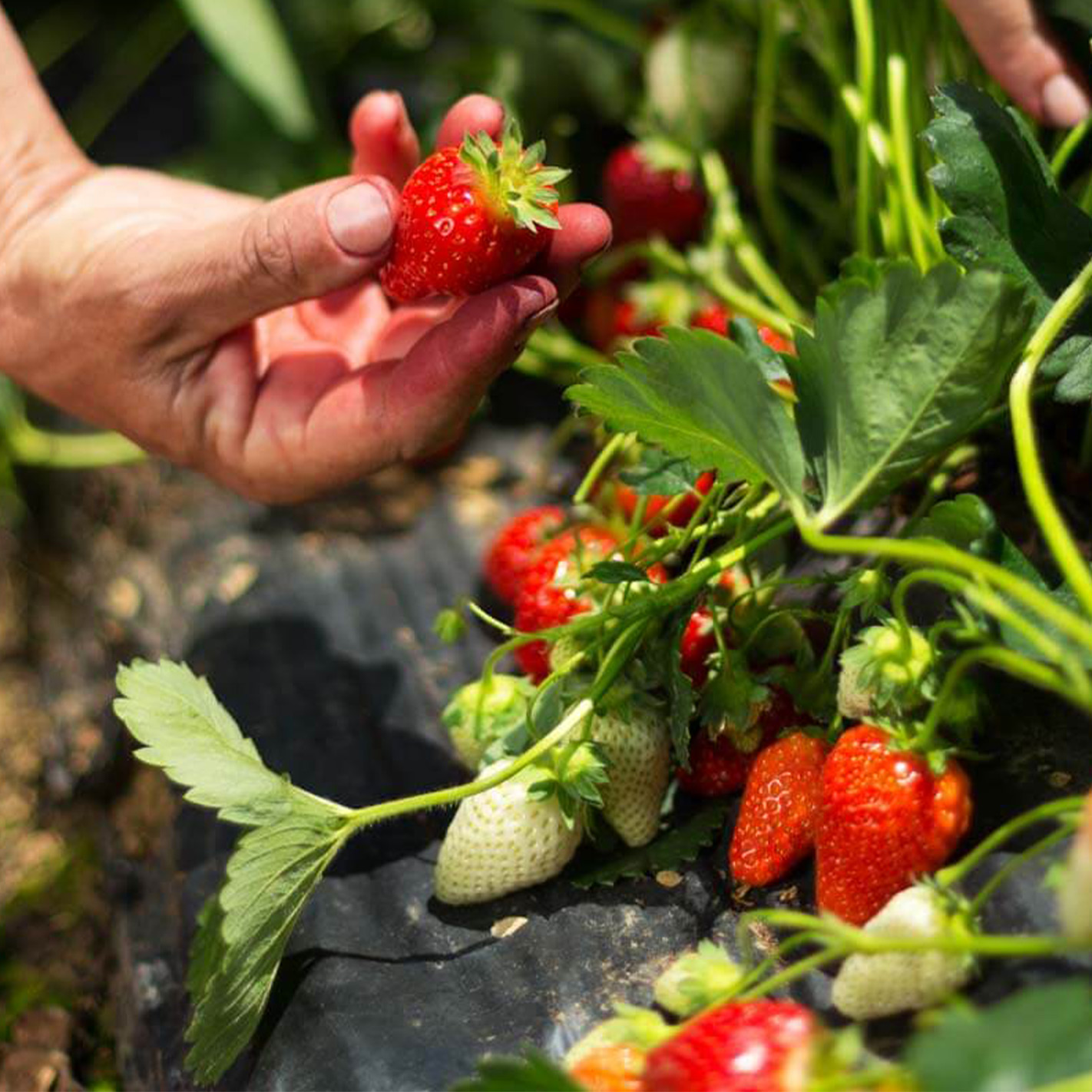
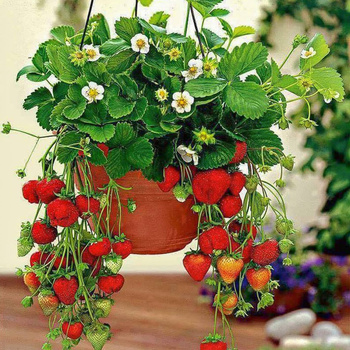
Strawberries are low perennials from the rose family, created from a cross between the Chilean and Virginian wild strawberry. They are widely cultivated – Poland is one of their leading producers. The exceptionally tasty strawberry fruits are associated with the beginning of summer, and both children and adults eagerly wait for them. If you have a garden, you should definitely consider growing strawberries, and if you do not have a piece of land outside, remember that you can also choose balcony strawberries. Do you want to know how to grow strawberries in the garden? Read our tips!
Why is it worth having strawberries in the garden and what should you plant next to them?
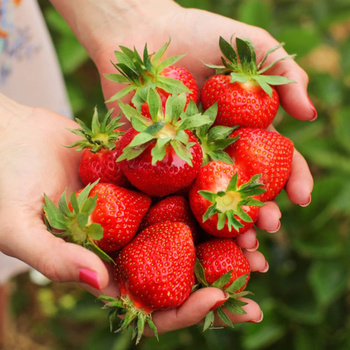
Although strawberry harvest usually falls in June, it is worth knowing that some varieties produce fruit as early as the second half of May. Late-season strawberries are also harvested in July, and everbearing strawberries allow you to enjoy their refreshing, sweet fruits for many weeks, until late autumn. If you grow them yourself, you can be sure they are free from unwanted chemicals. It is worth noting that strawberries are rich in vitamin C, contain plenty of antioxidants, are low in calories and help reduce blood cholesterol levels.
Before planting strawberries in your garden, you must consider which location will be best for them. It is important which plants grow next to them, as this affects their resistance to diseases and pests. Some vegetable plants, such as onion plants, release volatile substances that repel unwanted pests and reduce diseases. If you plant onions, garlic, leeks or chives near strawberries, the risk of grey mould and other fungal diseases will be lower.
Herbs that repel pests attacking strawberries:
- thyme
- savory
- peppermint
- parsley
- coriander
They also improve the flavour of strawberries (as do onions and garlic).
If you want strawberries to grow vigorously, plant nitrogen-fixing beans or peas next to them.
Vegetables that can be planted next to strawberry plants include:
- beetroot
- lettuce
- radish
- spinach
You can also safely grow them near borage and chamomile, but strawberries must not be cultivated next to brassicas, cucumbers, or near wild strawberries, raspberries and blackberries. Vegetables and herbs, except for onion plants, are best planted at the edges of strawberry beds.
How to plant strawberries?
What soil is best for strawberries?
Soil for strawberries should be light, well-drained and rich in humus. Its pH should be slightly acidic or neutral. If the soil is too acidic, lime should be applied, but at least several weeks before planting the strawberry plants.
How far apart should strawberries be planted? Spacing
Spacing is an important topic because plants placed too close together will compete for light, water and nutrients. The recommended spacing in rows is 30–35 cm. The distance between rows should be 50–60 cm.
How to plant strawberries in the soil?
Strawberries should be planted in sunny locations. Raised vegetable beds are ideal. Dig holes deep enough to accommodate the strawberry roots without bending them. It is also essential that the crown (the plant’s central bud) remains just above soil level after planting. If the roots are slightly dried, soak them before planting.
How to plant strawberries on agricultural fleece?
Agricultural fleece can be very useful for strawberries. It reduces weed growth and helps the soil warm up faster, while maintaining constant moisture. Cover a weeded bed with fleece, stretch it tightly, and secure it with pins or stakes. Cut cross-shaped slits where each plant will be placed. An alternative solution is horticultural film. You can also consider growing strawberries on coconut mats.
What to fertilise strawberries with?
Last year’s strawberries should be fertilised with compost in March. In April, natural or organic fertilisers can be used. When the plants flower and fruit begin to form, fertilisation with the natural BAT GUANO preparation is recommended. Do not forget about ecological nettle or horsetail slurry.
Fertilising strawberries after planting
The soil for strawberries should be weed-free and enriched with organic fertiliser. Compost mixed with pine needles or bark is an excellent choice. Mulching strawberries is recommended because it enriches the soil, retains moisture, protects fruits from sand and reduces the risk of grey mould. After planting, apply a fertiliser that supports root development.
Natural fertiliser for strawberries – how to prepare it
To make homemade strawberry fertiliser, you will need 1 kg of horsetail or nettle and 10 litres of warm water. Keep the mixture in a plastic bucket and stir daily for 2–4 weeks. Dilute the fertiliser in a 1:10 ratio before use.
Strawberries in a barrel – a great solution for small gardens
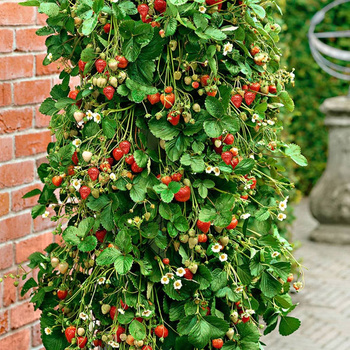
If your garden is small, consider growing strawberries in a barrel. Setting it up is simple. In a 120-litre barrel, drill holes about 5 cm in diameter, spaced 20–30 cm apart. You will need about 20 strawberry plants, preferably climbing varieties, good quality garden soil, compost and some gravel or expanded clay for drainage. Prepare agricultural fleece and a piece of plastic pipe with holes, which will serve as a watering system. The strawberry plants are placed in the holes as well as on the top of the barrel.
Strawberries in wooden boxes
Strawberries can be planted not only in the garden but also, for example, in wooden boxes. The inside of the wooden box should be lined with agricultural fleece. The box is then filled with a mixture of peat, garden soil and compost. Wherever there are gaps between the boards, holes should be made in the fleece, and strawberry plants should be placed in them. Strawberries are also planted at the top of the box. The varieties best suited for this type of cultivation are climbing strawberries.