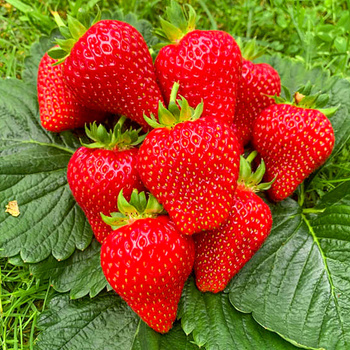
How to take care of strawberries in spring? A proper start to the new season
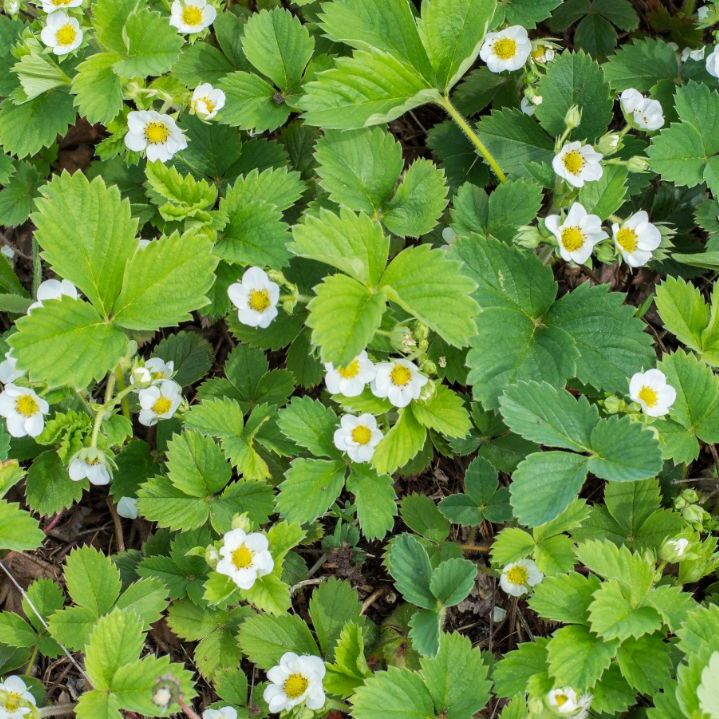
How to take care of strawberries in spring? A proper start to the new season
Most fruit lovers will agree that they are eagerly waiting for the new season of delicious, summer strawberries. Many people grow them themselves — in the garden, on a plot, and even in pots on balconies or terraces. While waiting for the fruiting season, one must not forget about year-round care, which makes it possible to obtain the best yields. We realize that garden work after winter may seem difficult and complicated, however we hope that thanks to our article spring care of strawberries will no longer be a problem for you. We will try to explain the whole process step by step in the simplest and clearest way possible and share some helpful tips!
First cleaning in the garden
Work in the garden related to the care of seedlings should begin at the moment when the strawberries wake up to life, that is most often in mid-March. You will recognize it by the appearing new little leaves growing from the center of the crown. Spring care should be started above all by removing all winter protections that were supposed to protect the plants from frost. In the spring period, when temperatures are constantly rising, leaving the cover in place may lead to overheating of the plants and create ideal conditions for the development of many diseases dangerous for strawberries.
To additionally reduce the risk of pathogens appearing, it is worth raking out and removing the older, dead leaves. After tidying up the beds, we proceed to a thorough inspection of the crop — we look for plants that are frost-damaged or those that show any signs of disease. Such seedlings should be removed immediately, because they may pose a threat to the entire crop.
Weeding the area around the seedlings
In order for strawberry plants to be able to develop properly, they must not compete with other plants for water, nutrients or access to the sun. This is a very important element also during the spring start. If the strawberries have plants in their vicinity with which they have to “fight”, their growth and development will be limited. Weeds are best removed together with the roots, which limits their regrowth. For this purpose we recommend using a small shovel or hoe, which additionally helps to loosen the soil. Such a prepared area around the seedlings will ensure better absorption of water and nutrients from fertilizers.
How to help strawberries start after winter?
After difficult winter months and the removal of some damaged parts of the plants, the strawberries are weakened and need an additional dose of nutrients. Although fertilization is not necessary, it can significantly facilitate the regeneration of the plants. For beginners, the best choice will be universal fertilizers for strawberries, which contain appropriately selected macro- and microelements. The products should be used in accordance with the manufacturer’s recommendations, and to avoid over-fertilization, it is worth using the lowest recommended doses.
In spring, strawberries can also be strengthened with natural methods. One of them is compost, which is safe, mild and very rich in nutrients. It is enough to lightly mix it with the top layer of soil and water abundantly. Compost can be used every spring. Another option is manure, although in this case you need to be careful and remember not to use fresh manure, which could burn the roots and stimulate excessive leaf growth at the expense of fruiting. In spring, only granulated or well-fermented manure can be used.
Such strengthening will make the strawberries “bounce back” more quickly after winter and will positively affect their fruiting in the coming season.
Protection against diseases
In the spring period it is also worth taking care of protection of the plants for the upcoming season, and above all of protection against the most dangerous strawberry diseases, such as grey mould, powdery mildew or anthracnose. Early preventive actions help to avoid problems related to these diseases. The basic prophylaxis is thorough removal of all infected parts of the plants and maintaining airiness, which reduces humidity that favours the development of pathogens. It is also worth remembering about proper watering without wetting the leaves and fruits. If such a necessity arises, biological or chemical protective products can be used. All spraying should be carried out on dry, windless days, according to the manufacturer’s recommendations.
Useful tips
Spring care is not only a duty, but also a chance to provide strawberries with the best possible start to the new season. Remember that regular observation of the plants is key — it allows you to react quickly to the first worrying symptoms, even before diseases develop.
It is also worth:
- mulching the beds with straw or bark – this reduces water evaporation, protects the fruit from getting dirty and improves growth conditions,
- watering the plants in the morning, so that the leaves can dry during the day,
- regularly checking the soil pH, because strawberries grow best in slightly acidic soil.
Thanks to these few simple tips, your strawberries will grow healthily and will reward you with tasty, abundant harvests. Spring is an excellent time to take proper care of the plants and prepare them for the new season.